My experience at Debian Brazil Reunion 2026 in São Paulo
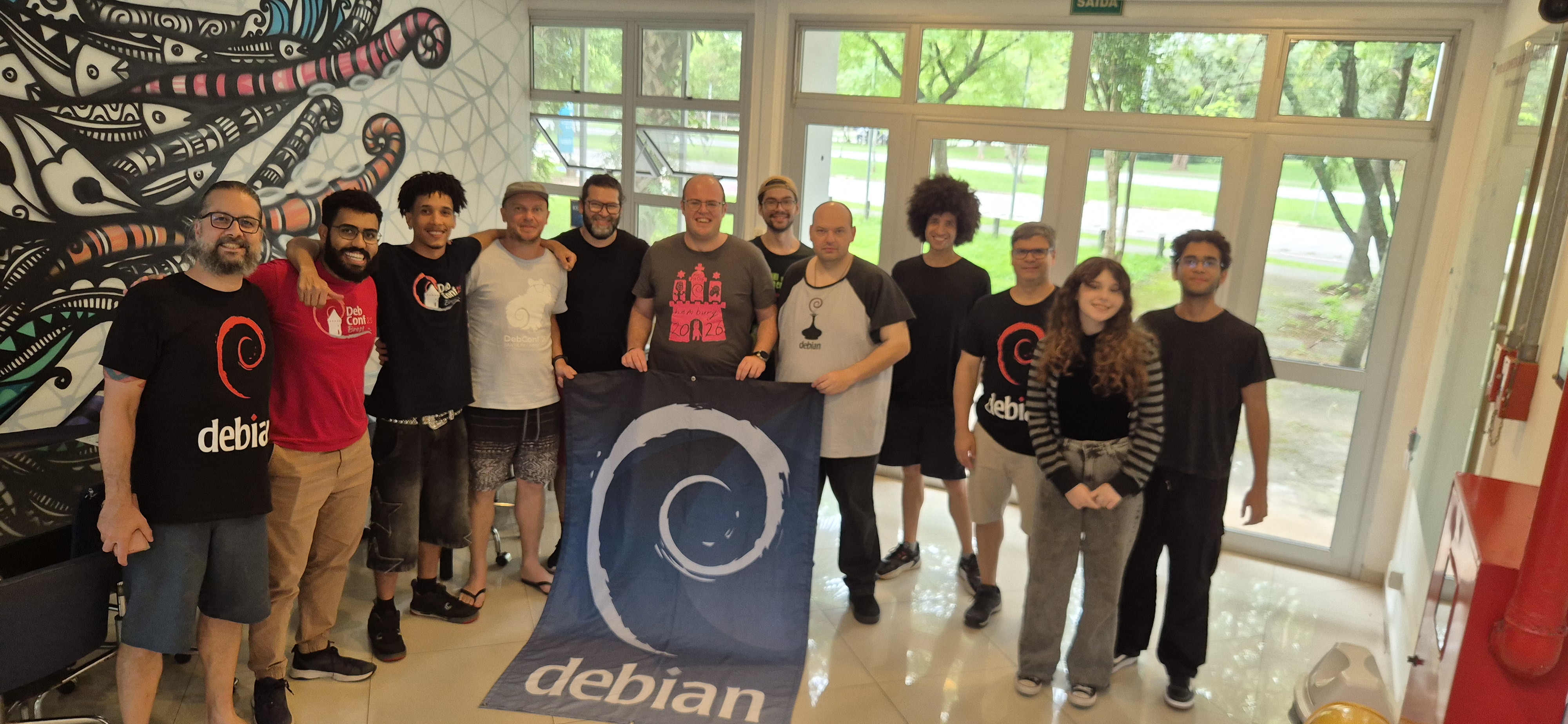
Last weekend, I attended the first Debian Brazil Reunion.
Inspired by similar events organized in other countries, we decided to bring the idea to Brazil and organize a three-day event focused on contributing to Debian.
Every day, we started at 9 a.m. and worked until around 8 p.m.
I was so immersed in the event that even after getting back to the hotel, I kept working. I was having so much fun that I just couldn't get out of the mood of getting things done.
What everyone was working one
A few people were working on translations into Brazilian Portuguese, another group was organizing the MiniDebConf that will take place in Curitiba next year, and the rest of us, myself included, were working on packaging and other development-related tasks.
One thing that made me particularly proud was seeing Lucas Ramalho and Giovanna Macedo travel all the way from João Pessoa to attend the event.
I first met them a few months ago during Debian Day, when I went to João Pessoa to give a packaging workshop and a talk about what it's like to be a Debian contributor.
Seeing them again in São Paulo, eager to learn more about packaging, really inspired me to keep helping newcomers.
It's normal for people to come and go when making their first contributions. That's why it's always rewarding to help someone and see them stick around and become part of the project.
What I was working one
I started working on my list of Neovim plugins that I want to package for Debian.
I managed to upload neovim-promise-async, a package that ships both a Neovim plugin and a Lua library.
It was my first time packaging a Lua library, so I learned a lot by reading the dh-lua code to better understand a few details of the Lua ecosystem. Writing dh-lua.conf was a bit confusing at first, but it turned out to be simpler than I expected. I also had fun coming up with an autopkgtest for the package.
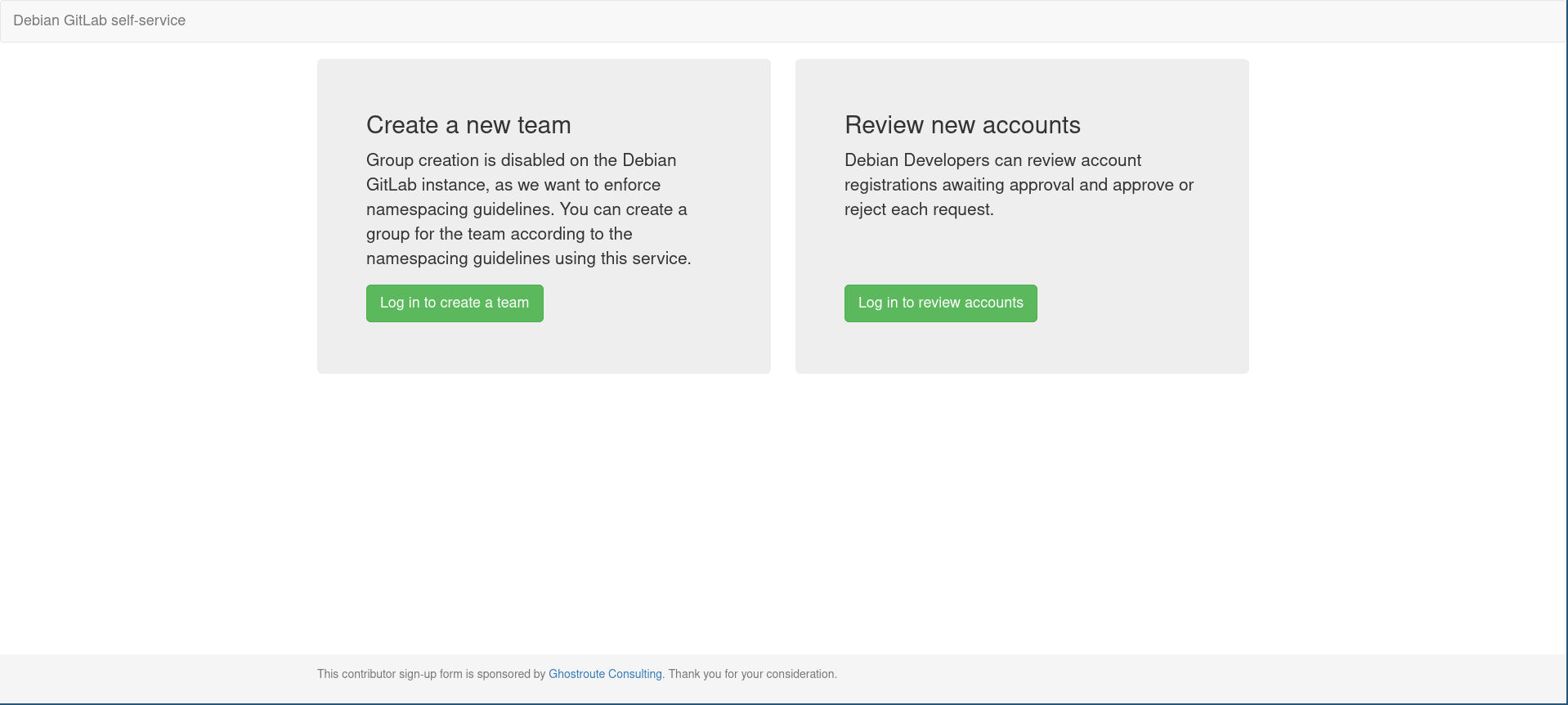
I also spend some time discussing and designing a feature with Aquila Macedo for Debian Gitlab self-service.
During the MiniDebConf Brazil, Antonio Terceiro gave a lightning talk about salsa-scripts, a tool he developed to help him approve Salsa accounts without having to use the GitLab interface.
I really liked the idea, but there was one limitation: only members of the salsa-admins team could use the tool. I tried to join the team to help with account approvals, but the only way to do so was by having an account with full administrative privileges.
I don't want that, and I agree with them that people should not have that level of access just to help approve new accounts.
My goal was to solve the problem of approving accounts during workshops. I hate having to pull commits from GitHub just because someone hasn't had their Salsa account approved yet. And I'm not blaming the salsa-admins team. It's simply impossible to approve accounts quickly enough to keep up with the pace of live events.
That's when I came up with the idea of adding a feature to salsa-scripts that would allow any Debian Developer to approve new accounts.
I shared this idea Aquila, and he introduced me to Debian Gitlab self-service. I wasn't aware of this project, and after discussing it, we decided that implementing the feature there would make more sense than adding it to salsa-scripts.
Anyway, if you want to learn more about this effort, check out the Merge Request: https://salsa.debian.org/salsa/gitlab-newuser/-/merge_requests/4
Aquila took the idea I had been putting off for a while, implemented the whole thing in just one day, and the result turned out pretty cool:
Finally, I also sponsored a few uploads. I helped Tobias Sette and Giovanna Macedo with their first uploads to Debian.
It's always nice to help newcomers in person. It's much easier to explain things in detail, answer questions as they come up, and get things done faster than going back and forth reviewing merge requests.
Wrap up
It was an amazing experience!
I want to thank Rafael Passos and David Tadokoro for making this happen. They managed to reserve one of the classrooms at the University of São Paulo (USP). Without that, the event would have been much more expensive if we had needed to rent a coworking space.
It was also my first time visiting USP, which was a nice experience. It's one of the most important universities in Brazil!
I'm already looking forward to the next edition!
Written on 2026-11-24.